
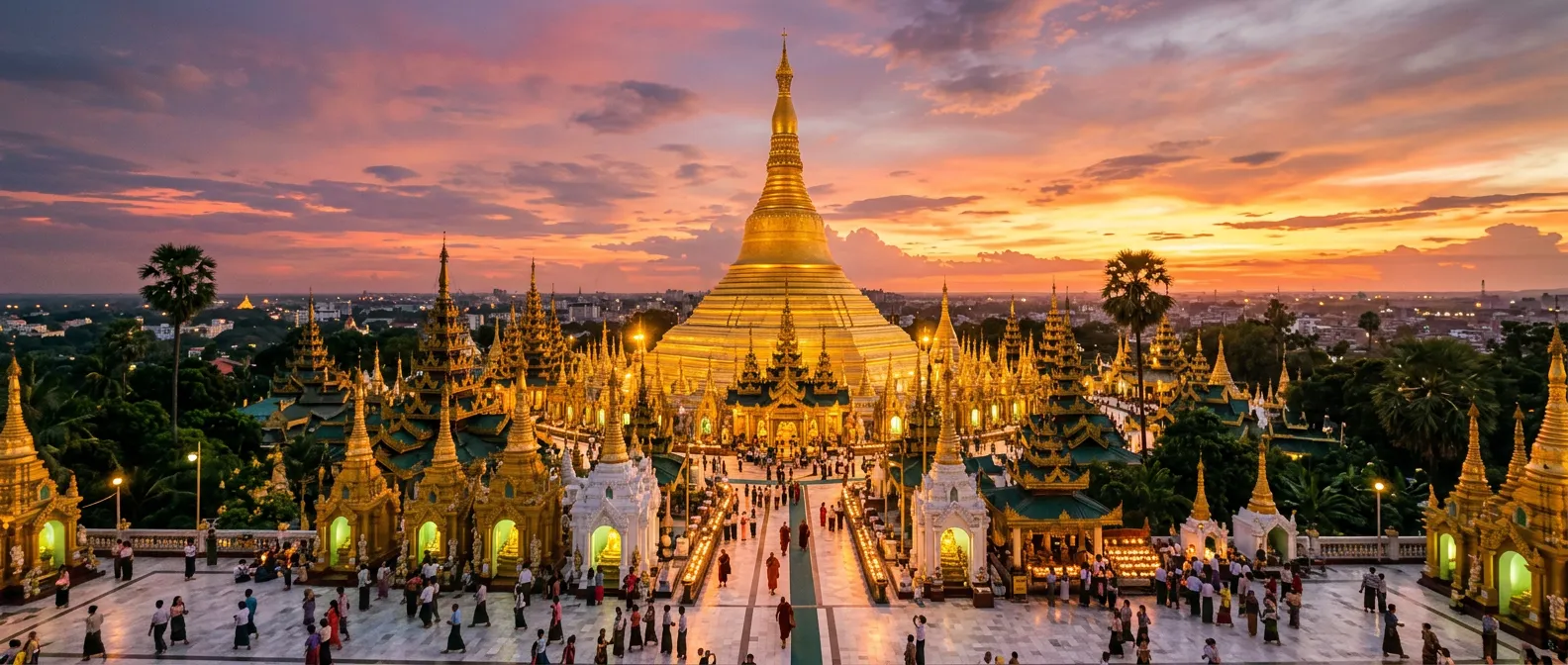
Myanmar Travel Advisory is a critical safety notice issued by governments worldwide warning citizens about the risks of visiting Myanmar (Burma). As of 2026, major governments including the United States, United Kingdom, Canada, and Australia all advise against travel to Myanmar due to ongoing civil conflict, armed violence, arbitrary detention of foreigners, and widespread security threats. This guide explains what each country’s advisory says, which regions are most dangerous, and what practical steps travelers should take if they choose to visit despite the warnings.
What Is the Myanmar Travel Advisory?
A travel advisory is an official government notice that informs citizens about safety risks in a specific country. For Myanmar, every major Western government has issued the highest or near-highest warning level since the military coup of February 1, 2021.
The Myanmar military detained elected officials and declared a state of emergency, seizing control of the country’s governance. Since then, the security situation has deteriorated significantly. Armed conflict between the military regime, ethnic armed organizations, and People’s Defence Forces (PDFs) continues across multiple regions. The conflict escalated sharply after October 2023, with increased airstrikes, drone strikes, and ground fighting affecting civilian areas.
Governments issue these advisories to help citizens make informed decisions. Traveling against official advice can void your travel insurance and leave you without consular support in an emergency.
Travel Advisory Levels by Country
Different governments use different rating systems, but the message is consistent: do not travel to Myanmar.
| Country | Advisory Level | Last Updated | Source |
|---|---|---|---|
| United States | Level 4: Do Not Travel | May 2026 | travel.state.gov |
| United Kingdom | Advise Against All Travel (to most regions) | January 2026 | gov.uk |
| Canada | Avoid All Travel | July 2026 | travel.gc.ca |
| Australia | Do Not Travel | April 2026 | smartraveller.gov.au |
United States
The US Department of State lists Burma (Myanmar) at Level 4: Do Not Travel. The advisory warns of armed conflict, civil unrest, arbitrary enforcement of local laws, and poor healthcare infrastructure. The US Embassy in Yangon issued an updated advisory in May 2026, warning travelers to avoid off-road travel due to unexploded ordnance and to refrain from photographing military personnel or facilities.
United Kingdom
The UK Foreign, Commonwealth and Development Office (FCDO) advises against all travel to multiple states and regions, including Chin State, Kachin State, Kayah State, Kayin State, Mon State, Rakhine State, Sagaing and Magway regions, northern Shan State, and parts of Mandalay Region and Bago Region. The FCDO also advises against all but essential travel to remaining areas, including Mandalay, southern Shan State, and parts of Tanintharyi and Ayeyarwady regions.
Canada
Canada advises Avoid All Travel to Myanmar due to politically-motivated violence, terrorist attacks, arbitrary arrest and detention, and civil unrest during the ongoing armed conflict. The Canadian government warns that its ability to provide consular assistance in Myanmar is extremely limited and that Canadians are responsible for their own safety.
Australia
Australia’s Smartraveller service advises Do Not Travel to Myanmar, citing the dangerous security situation, threat of civil unrest, and armed conflict. The advisory specifically warns about widespread detentions (including of foreigners), trafficking of foreign nationals into fraudulent online scam operations, and the possibility that dual nationals may be subject to military conscription under Myanmar’s 2024 conscription law.
Key Safety Risks in Myanmar
Understanding the specific risks helps travelers make informed decisions about whether and how to visit Myanmar.
Armed Conflict
Active fighting between the military regime and various opposition or ethnic armed groups occurs across multiple regions and border areas. Since the October 2023 escalation, there has been a significant increase in attacks, airstrikes, and drone strikes. Fighting is not limited to rural areas – explosions and security incidents occur in major cities including Yangon, Mandalay, and Nay Pyi Taw.
Landmines and Unexploded Ordnance
Unmarked landmines and improvised explosive devices (IEDs) are present across the country, particularly in border areas. The US Embassy warns travelers to avoid off-road travel and stay on well-used roads and paths. Landmines pose a significant risk in rural areas and conflict zones.
Arbitrary Detention
Myanmar’s military regime arbitrarily enforces local laws and may carry out random detentions without due process. Foreigners face risks of detention, and some governments warn that their ability to provide consular assistance is extremely limited once a citizen is detained.
Scam Trafficking
Foreign nationals have been lured or trafficked into fraudulent online scam centers operating in conflict zones. Victims are often promised lucrative employment, then forced to work in online scamming operations under poor conditions with restricted movement and severe mistreatment. These scams operate both directly through Yangon and via neighboring countries.
Demonstrations and Civil Unrest
Protests and demonstrations occur regularly, particularly on dates of national significance. Security forces have used excessive and lethal force against protesters. IEDs and drones have been used in urban areas, including against public venues frequented by foreigners.
Safe and Unsafe Regions in Myanmar
Not all of Myanmar carries the same level of risk. The UK FCDO provides the most detailed regional breakdown.
Regions Where Most Governments Advise Against All Travel
- Chin State – active armed conflict
- Kachin State – active armed conflict
- Kayah State – active armed conflict
- Kayin State – active armed conflict
- Mon State – active armed conflict
- Rakhine State – ethnic conflict since 2016
- Sagaing and Magway Regions – active armed conflict
- Northern Shan State – active armed conflict
- Northern Mandalay Region – townships north of Mandalay City and Pyin Oo Lwin
- Eastern Bago Region – east of the Yangon-Mandalay Expressway
- Tanintharyi Region – partially restricted
Areas With Lower (But Still Elevated) Risk
Some regions carry a slightly lower advisory level, with governments recommending against all but essential travel:
- Shan State South and East
- Mandalay Region (excluding northern areas)
- Rest of Bago Region
- Parts of Ayeyarwady Region
The Tourist Kite
Experienced travelers who visit Myanmar despite the warnings typically stick to what is known as the “Tourist Kite” – a route connecting Yangon, Bagan, Mandalay, and Inle Lake. These destinations form a diamond shape on the map and represent the areas with the most established tourist infrastructure, though they are not immune to security incidents.
Yangon remains the primary entry point and has the most developed tourist infrastructure. Bagan’s ancient temple complex draws visitors, and Inle Lake offers scenic beauty. However, even in these areas, travelers should remain vigilant and monitor local conditions.
Practical Safety Tips for Travelers
If you choose to visit Myanmar despite the travel advisory, these precautions can help reduce your risk:
Before You Go
- Register with your embassy – Sign up for your government’s traveler registration service (e.g., US Smart Traveler Enrollment Program, Canada’s Registration of Canadians Abroad)
- Purchase comprehensive travel insurance – Confirm it covers travel to Myanmar and won’t be voided by the advisory
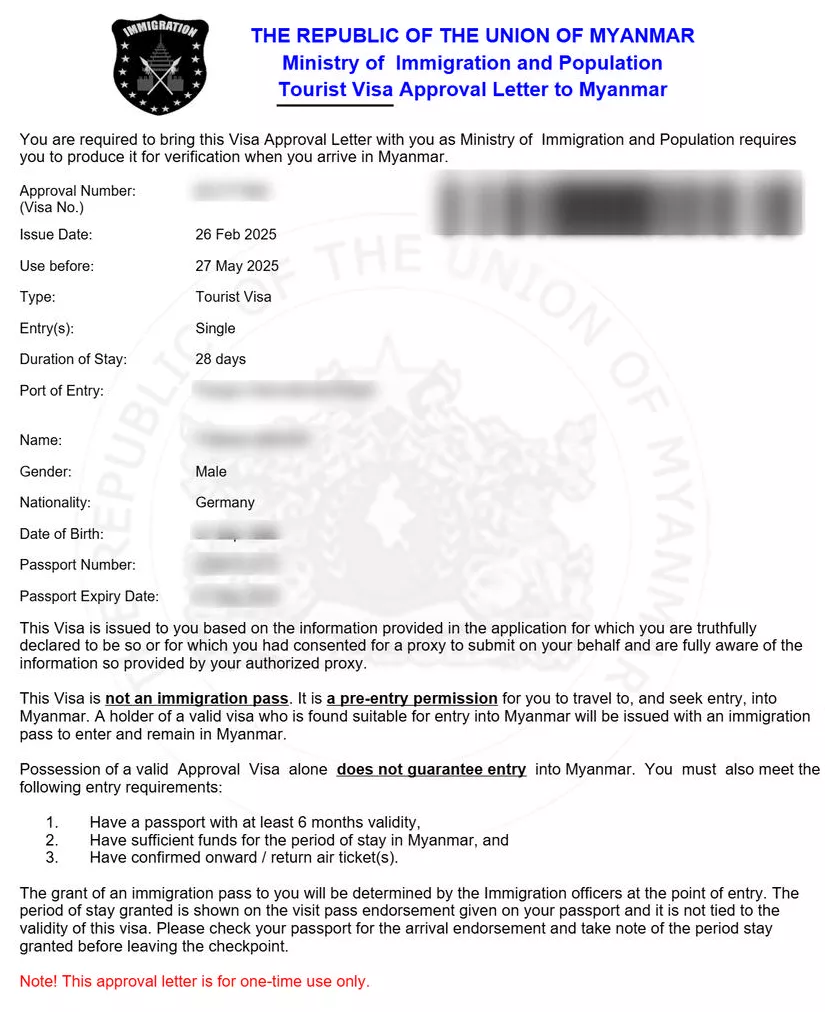
- Check visa requirements – Myanmar requires a visa for most nationalities. An eVisa is available for tourist and business travel
- Prepare emergency supplies – Carry adequate water, food, cash, and a portable phone charger for at least 7 days
- Share your itinerary – Leave detailed travel plans with family and your embassy
While in Myanmar
- Stay in registered accommodation – Myanmar law requires foreigners to stay in government-registered hotels and guesthouses. Couchsurfing and Airbnb are technically illegal
- Avoid discussing politics – Conversations about the political situation can put both you and local people at risk
- Do not photograph military personnel, buildings, or facilities – This is illegal and can lead to arrest
- Keep phones and electronics hidden at checkpoints – Displaying devices near military checkpoints can be dangerous
- Follow checkpoint instructions – Show your passport when asked, do not take photos, and remain calm
- Stay on major roads – Avoid rural areas, unmarked trails, and off-road travel due to landmine risk
- Avoid demonstrations and large gatherings – These can turn violent without warning
- Respect local customs – Remove shoes at religious sites, cover shoulders and knees, and do not touch or disrespect images of Buddha
- Do not use drones – Drone use is prohibited in Myanmar, and attempting to bring one into the country can result in arrest
Health Precautions
- Vaccinations – Ensure routine vaccinations are up to date. Consider hepatitis A, typhoid, and Japanese encephalitis vaccines. Carry proof of polio vaccination for stays over 4 weeks
- Malaria and dengue – Use DEET-based insect repellent (not widely available in Myanmar, so bring your own), cover up in the evenings, and consider anti-malarial medication for travel outside major cities
- Water and food safety – Drink only boiled or bottled water. Avoid raw or undercooked food. Be cautious about food hygiene, as power outages affect refrigeration
- Medical facilities – Healthcare infrastructure is severely stretched, especially outside Yangon. Medical evacuations may be delayed or impossible. Carry sufficient personal medication for your entire stay
- Rabies – Many animals in Myanmar carry rabies. Avoid contact with stray dogs and monkeys. Seek immediate medical attention if bitten or scratched
Myanmar Entry Requirements Despite the Advisory
Myanmar continues to process visa applications despite the security situation. The tourist eVisa costs $50 USD and allows a single-entry stay of up to 28 days. The business eVisa costs $70 USD with a 70-day stay.
Three international airports accept international arrivals:
- Yangon International Airport (RGN) – primary entry point
- Mandalay International Airport (MDL)
- Nay Pyi Taw International Airport (NPT)
Land border crossings exist with Thailand, but availability and security vary. Check the current status of specific ports of entry before traveling.
Passport holders from certain countries, including Singapore, can enter Myanmar visa-free for up to 30 days. Always verify the latest visa requirements before departure, as policies can change without notice.
Frequently Asked Questions
Is it safe to travel to Myanmar right now?
No, major governments including the US, UK, Canada, and Australia advise against all travel to Myanmar. The country faces ongoing armed conflict, civil unrest, and arbitrary enforcement of local laws. Travelers who visit despite these warnings face serious risks including detention, landmines, and exposure to armed conflict.
Are Americans allowed to go to Myanmar?
Yes, Americans are not legally barred from traveling to Myanmar, but the US Department of State strongly advises against it at Level 4 (Do Not Travel). The US Embassy in Yangon continues to operate with limited capacity, and consular assistance may be unavailable in emergencies.
Why is travel to Myanmar banned?
Travel to Myanmar is not outright banned by most countries, but governments issue the highest-level advisories warning against it. The warnings stem from the February 2021 military coup, ongoing armed conflict between the junta and opposition forces, arbitrary detention of foreigners, landmine hazards, and the risk of trafficking into scam operations.
Can I get travel insurance for Myanmar?
Many travel insurance providers exclude coverage for countries with Level 4 travel advisories. Some specialty insurers offer policies, but they may exclude claims related to armed conflict, civil unrest, or political violence. Always confirm coverage details before purchasing.
What happens if I need emergency help in Myanmar?
Consular assistance from most Western governments is extremely limited in Myanmar. The Australian government notes its embassy’s ability to provide consular assistance may be “extremely limited.” Canada states that its ability to help is “extremely limited.” Always register with your embassy before travel and have emergency contact numbers readily available.
Is Yangon safe for tourists?
Yangon is considered relatively safer than conflict-affected border regions, but it is not immune to security incidents. Explosions, IED attacks, and security alerts occur in Yangon, including near locations frequented by foreigners. Curfews and internet shutdowns can be imposed without warning. Exercise heightened caution at all times.
Should I cancel my Myanmar trip?
This is a personal decision that depends on your risk tolerance, experience level, and travel objectives. All major government advisories recommend against travel. If you decide to go, register with your embassy, purchase comprehensive insurance, stick to established tourist areas, and have an exit plan ready.